A Practical Introduction to Body Contouring Farmington Hills
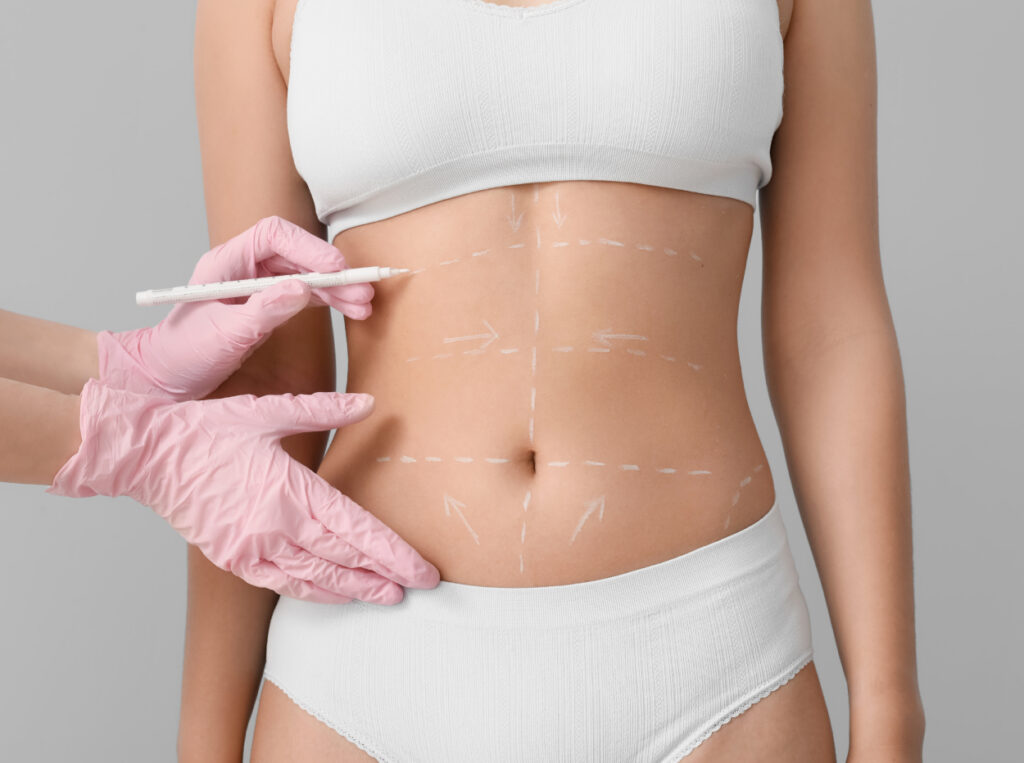

Body contouring draws interest for a simple reason: many people do the hard work of improving their habits, lose weight, and still find that certain areas do not respond the way they hoped. The waist may hold on to fullness. The upper arms may still feel soft. The abdomen may show loose skin after pregnancy or significant weight loss. At that point, the conversation shifts from general wellness to shape, proportion, and skin quality.
That is where body contouring enters the picture. In a place like Farmington Hills, where patients often balance demanding work schedules, family life, fitness goals, and a practical mindset about medical care, the best discussions around body contouring are usually straightforward. What can it realistically improve? Who is a good candidate? What is recovery like? What are the trade-offs between surgical and non-surgical options?
Those are the questions worth answering carefully, because body contouring is not one treatment. It is a category that includes several approaches, each with different strengths and limits.
What body contouring actually means
In everyday conversation, people often use “body contouring” as a catchall term, but in clinical settings it usually refers to treatments that improve body shape by reducing fat, tightening skin, or both. Some treatments do this without surgery. Others involve surgery and a longer recovery, but they can create more dramatic changes.
The first practical point is that body contouring is not a weight-loss strategy. It is better understood as a refinement tool. If someone is 10 to 30 pounds above the weight they can maintain comfortably, body contouring usually delivers less satisfaction than expected, because the body is still changing and the areas of concern may shift. By contrast, someone who is already near a stable weight, but frustrated by stubborn pockets of fat or mild to moderate skin laxity, tends to appreciate the results more.
A second point that often gets overlooked is that “fat reduction” and “skin tightening” are not the same problem. A patient may think they need fat removed, when what they really notice is loose skin. Another person may believe their abdomen looks loose, when the bigger issue is a layer of localized fat. An experienced evaluation separates those issues before recommending anything.
That distinction matters in Body Contouring Farmington Hills consultations because many patients come in after trying diet programs, personal training, or injectable weight-loss medications. Their weight may be lower, but their skin and contours have not followed in a clean, predictable way. A good treatment plan starts by identifying what remains: excess fat, skin laxity, muscle separation, cellulite, or some mix of all four.
The common options patients ask about
Most body contouring conversations fall into two broad camps: non-surgical treatments and surgical procedures. Each has a role, and neither should be oversold.
Non-surgical body contouring often appeals to people who want minimal downtime and gradual change. These treatments may use controlled cooling, heat, radiofrequency, ultrasound, or similar technologies to reduce small to moderate fat deposits or improve skin firmness. The attraction is obvious. Patients can often return to work quickly, discomfort is usually manageable, and there are no incisions. The limitation is equally important. Results are generally subtler than surgery, and multiple sessions may be needed.
Surgical body contouring includes procedures such as liposuction, tummy tuck surgery, arm lift, thigh lift, and lower body lift. Surgery can address more significant concerns, especially when loose skin is part of the problem. It also allows for direct reshaping that non-surgical technologies simply cannot match. The trade-off is greater cost, a longer recovery, scars, and the normal risks that come with any operation.
One of the most common misunderstandings is the belief that non-surgical treatments can replace surgery in people with moderate or severe skin laxity. They usually cannot. A patient who has had major weight loss, for example, may be disappointed by repeated non-surgical sessions if what they truly need is excision of loose tissue.
Why candidacy matters more than the brand name
People often arrive focused on a specific device they saw online or heard about from a friend. That is understandable, but it is rarely the right starting point. The better question is whether the body concern matches the technology.
A patient with a small lower-abdominal bulge, good skin tone, and a stable weight might do well with a non-surgical fat reduction treatment. Another patient with similar fullness but visible loose skin after two pregnancies may not. In the second case, reducing fat without addressing skin can sometimes make looseness look more obvious.
This is where a careful in-person assessment earns its value. Providers who do these evaluations well tend to look at several factors at once: skin elasticity, fat thickness, overall body composition, scar history, prior surgeries, healing tendencies, and lifestyle. They also pay attention to where a patient stores fat. Dense, pinchable fat above the muscle may respond differently than deeper fullness caused by anatomy, posture, or internal volume.
There is also the issue of expectations. The happiest body contouring patients are not necessarily the ones who get the most dramatic changes. They are usually the ones who understand the likely range of improvement before treatment begins. If a provider promises perfection, that should raise concern. Real bodies are not perfectly symmetrical, and body contouring improves shape, not human biology.
What people in Farmington Hills often prioritize
Local patient preferences often shape the discussion in subtle ways. In Farmington Hills, many people want treatments that fit into real schedules. They ask practical questions. How long will I be sore? Can I drive myself home? When can I exercise again? Will I need compression garments? Can I hide swelling under work clothes? Those questions matter because treatment success is not just about the procedure itself. It is also about whether the patient can follow through on recovery.
For professionals with limited downtime, non-surgical body contouring may feel appealing, especially for the flanks, abdomen, or under-chin area. For patients who have finished childbearing and want a stronger reset of the midsection, a tummy tuck or liposuction-based approach may be more satisfying. Parents often choose timing carefully, because lifting restrictions after surgery can complicate childcare. Active adults may schedule around golf season, travel, or race training. These details may sound small, but they shape whether the experience feels manageable or disruptive.
A practical consultation for Body Contouring Farmington Hills should take those realities seriously rather than reducing the conversation to before-and-after photos alone.
The areas most commonly treated
The abdomen remains the most common area of concern by a wide margin, and for good reason. It is where weight fluctuations, pregnancy, aging, posture, and genetics all tend to show up at once. Some patients have a lower-belly pouch that persists despite exercise. Others have loose skin, stretch marks, or separation of the abdominal muscles. These are not interchangeable problems, and the right solution changes depending on which of them is present.
Flanks, sometimes called love handles, are another frequent target. They often respond better than patients expect because they can be well-defined pockets of superficial fat. Upper arms are common too, especially in people bothered by fullness or skin movement in sleeveless clothing. Thighs, the back, beneath the bra line, and the submental area under the chin also come up regularly.
Cellulite deserves a separate note because many patients fold it into body contouring goals. Cellulite is not simply fat. It involves the way connective tissue tethers the skin. Some body contouring treatments may improve the look of cellulite slightly, but not every fat-reduction treatment helps it, and some can make unevenness more noticeable if the starting tissue quality is poor.
Non-surgical body contouring, where it shines and where it does not
Non-surgical options can be genuinely useful when chosen well. They work best for localized fat deposits in patients who are close to their usual weight and have reasonably good skin tone. A common example is the patient who exercises consistently, maintains a stable weight, but cannot slim a small abdominal pad or flank area.
One advantage is the pace of change. Because results develop gradually over weeks or months, the transformation can feel natural and less disruptive. There are no surgical scars, and recovery is typically lighter. Some patients strongly prefer that path even when the change is modest.
The limitations need equal emphasis. These treatments do not remove pounds in a meaningful way. They do not create the flat, tightened effect of abdominal surgery. They do not repair muscle separation. And while discomfort is often described as manageable, some treatments can still involve temporary soreness, swelling, numbness, bruising, or sensitivity.
I have seen one pattern repeat often in aesthetic medicine: patients who are realistic about subtle improvement often end up pleased, while patients who expect a non-surgical treatment to produce a surgical result end up frustrated. That gap between expectation and biology causes more disappointment than the technology itself.
Surgical contouring, when more intervention makes more sense
Surgery becomes the better conversation when the goal is larger-scale reshaping or when extra skin is the main issue. Liposuction can sculpt areas with precision, but it is not a skin-tightening procedure https://alexissiru053.birchreport.com/posts/body-contouring-farmington-hills-what-to-know-about-treatment-safety in the way many people assume. If the skin has good elasticity, it may contract nicely after fat removal. If elasticity is poor, the result can be underwhelming unless skin is also removed.
A tummy tuck is often the clearest example of why surgery still matters. It can remove loose lower-abdominal skin, tighten the abdominal wall when indicated, and improve contour in ways non-surgical methods cannot approach. For postpartum patients or people after significant weight loss, this can be life-changing from both a comfort and confidence standpoint. The trade-off is obvious: longer recovery, scars, activity restrictions, and higher stakes if the patient is not prepared.
Arm lifts and thigh lifts occupy a similar space. They can address lax skin that no external device can truly erase. They are not casual procedures, and the scar placement must be discussed honestly. Many patients still choose them because the day-to-day annoyance of excess skin, chafing, fit issues, and self-consciousness outweighs concern about a well-placed scar.
Questions worth asking at a consultation
A consultation goes better when a patient arrives ready to discuss their own priorities, not just a treatment name. These questions tend to clarify the decision quickly:
- Am I trying to reduce fat, tighten skin, or address both?
- Based on my anatomy, what result is realistic after one treatment or one procedure?
- How much downtime should I truly expect, not best-case downtime?
- If I lose or gain weight later, how might that affect the result?
- What happens if I do nothing for six months and focus on weight stability first?
Those five questions often reveal whether the timing is right. They also help expose rushed recommendations. If the answers feel vague, overly sales-driven, or disconnected from your actual body concerns, it is worth slowing down.
Recovery, the part people tend to underestimate
Recovery shapes satisfaction more than most first-time patients realize. Even when a procedure goes well, there is a period where swelling, asymmetry, firmness, bruising, and temporary contour irregularities can create anxiety. This is normal, especially early on. Bodies heal unevenly at first.
For non-surgical body contouring, recovery may be as simple as transient tenderness or swelling that fades over days or a couple of weeks. Some people return to normal activities immediately. Others are surprised by temporary numbness or a “worked over” feeling in the area.
For surgery, the timeline is more involved. Compression garments are common. Swelling can linger for weeks, sometimes longer. Exercise restrictions matter. Final results do not appear overnight. That can be frustrating for patients who expect to judge their outcome in the first two or three weeks. A surgeon may technically finish the procedure in a few hours, but the body reveals the result on its own timeline.
This is also where support at home matters. Someone recovering from abdominal surgery while caring for small children, commuting daily, or returning too quickly to lifting can turn a manageable recovery into a miserable one. Planning ahead is not glamorous, but it is one of the smartest parts of the process.
A note on cost and value
Cost varies widely depending on the treatment, the number of areas, the provider’s expertise, and whether surgery is involved. Non-surgical body contouring can look more affordable at first, but multiple sessions may narrow that gap. Surgery has a higher upfront price, yet for the right patient it may provide the more definitive result and therefore the better value.
This is not an argument for choosing the most aggressive option. It is an argument for choosing the option that actually matches the problem. Spending less on a treatment that cannot solve your concern is not saving money. It is postponing a better decision.
Patients shopping body contouring services in Farmington Hills should also be cautious about pricing that sounds too good to be true. Aesthetic medicine is full of promotions, package pricing, and heavily marketed claims. Those offers are not inherently bad, but cost should be weighed alongside training, experience, safety standards, and honesty during consultation.
How to prepare if you are seriously considering treatment
Preparation improves both the experience and the outcome. A stable weight matters more than many people expect. Even a gain or loss of 10 to 15 pounds after treatment can alter contour enough to blur the result. Hydration, nutrition, and avoiding nicotine are important for healing, especially with surgery. So is timing. If a patient is in the middle of active weight loss, recently postpartum, or just started a new exercise routine, waiting may be the more intelligent move.
A few practical habits can make a real difference:
- Take clear photos of the area at home in consistent lighting before consultation.
- Track your weight for at least several weeks to confirm it is stable.
- Bring a list of prior procedures, medications, and scar or healing issues.
- Plan your recovery calendar before you book, not after.
- Wear clothing that makes the target area easy to evaluate at your visit.
These are simple steps, but they help turn an abstract interest into a useful clinical conversation.
Red flags patients should recognize
Most reputable providers are careful not to promise outcomes that medicine cannot guarantee. That is why a few warning signs stand out. If a consultation feels rushed, if your anatomy is not examined closely, or if the recommendation seems identical to what every other patient receives, caution is warranted. Body contouring should not be one-size-fits-all.
Be skeptical of language that implies treatment without trade-offs. Every option has limitations. Every body heals differently. Even excellent work can involve small irregularities, temporary asymmetries, or the possibility of revision in select cases. Transparency is not a drawback. It is often the clearest sign that you are dealing with someone experienced.
Another red flag is when a provider glosses over the role of lifestyle. Body contouring can improve shape, but it does not make weight maintenance irrelevant. People who continue the habits that brought them to a stable baseline tend to preserve their results far better.
Matching the right treatment to the right person
A practical way to think about body contouring is to stop asking, “What is the best treatment?” and start asking, “What is the best treatment for my specific issue, my schedule, and my tolerance for downtime?”
The answer differs from person to person. A fit 42-year-old bothered by modest flank fullness may be an ideal non-surgical candidate. A 38-year-old mother with loose abdominal skin and muscle separation after pregnancies may need surgery to achieve the result she actually wants. A 60-year-old who lost 70 pounds might prioritize comfort, clothing fit, and skin removal over dramatic sculpting. All three are valid goals, but they call for different plans.
That is the core of any sensible discussion about Body Contouring Farmington Hills. The technology matters. The provider matters. But the match between treatment and anatomy matters most. When that match is right, body contouring can feel less like a cosmetic gamble and more like a measured, informed next step.
For patients considering it for the first time, the smartest approach is not to chase the flashiest device or the most dramatic marketing. It is to understand your body, define your real goal, and choose a plan that respects both. That tends to produce better results, fewer regrets, and a much clearer sense of whether body contouring is truly worth it for you.
Aesthetic Plastic Surgery & Laser Center, Michelle Hardaway M.D.
Address: 27920 Orchard Lake Rd, Farmington Hills, MI 48334
Phone number: +12482211957
FAQ About Body Contouring Farmington Hills
What does body contouring actually do?
Body contouring (or body sculpting) eliminates stubborn localized fat, tightens loose, sagging skin, and reshapes your silhouette. It is not a weight-loss tool, but rather a cosmetic procedure used to refine and tone specific trouble spots after major weight loss, pregnancy, or aging.
How much does body contouring usually cost?
The total cost of body contouring usually ranges from $2,000 to $25,000+ depending entirely on whether you choose non-surgical sessions or major surgical procedures.
Because "body contouring" covers everything from simple fat-freezing to comprehensive post-weight-loss surgeries, pricing is heavily categorized by the method used.
What is the best type of body contouring?
Liposuction is a huge topic and worth discussing in more detail, but in terms of body contouring and sculpting, nothing does the job better than liposuction, particularly VASER liposuction.